
After the first article on how to deploy AKS we will check how to use an Application Gateway as an Ingress controller and a WAF. Why? To protect your websites 😊
To start, be sure to deploy your AKS cluster.
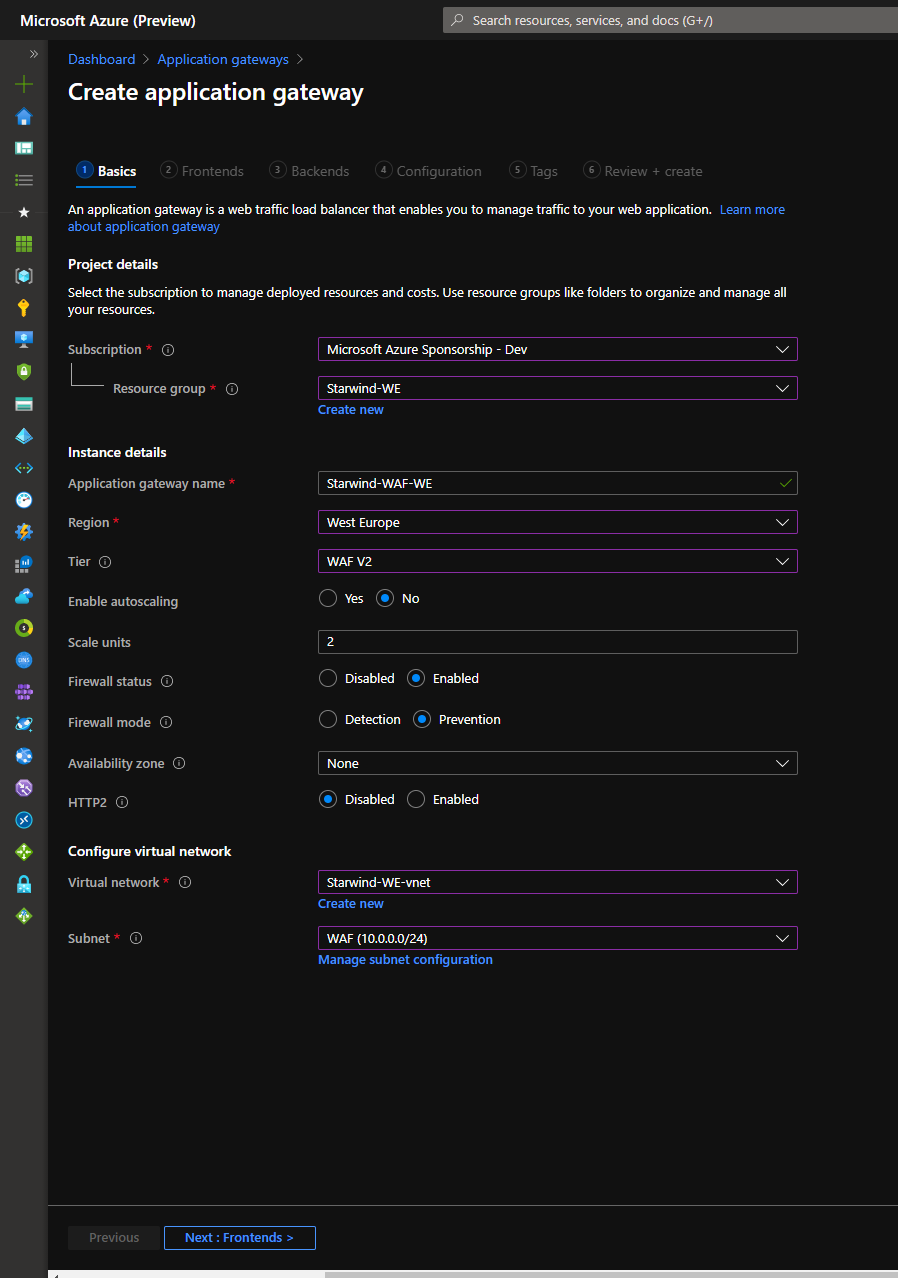
Now, you can deploy your Application Gateway, in Azure, with WAFv2 SKU:
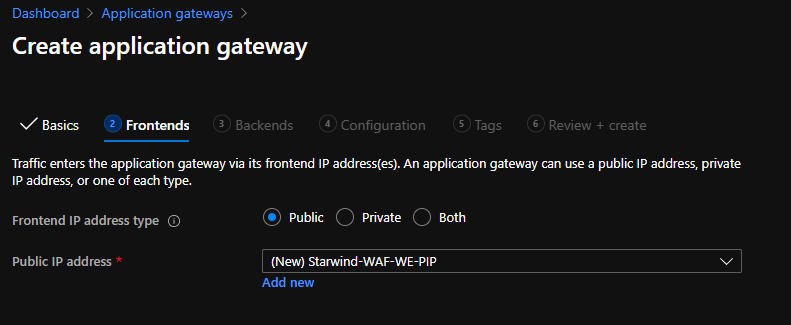
Create a public IP for this WAF:
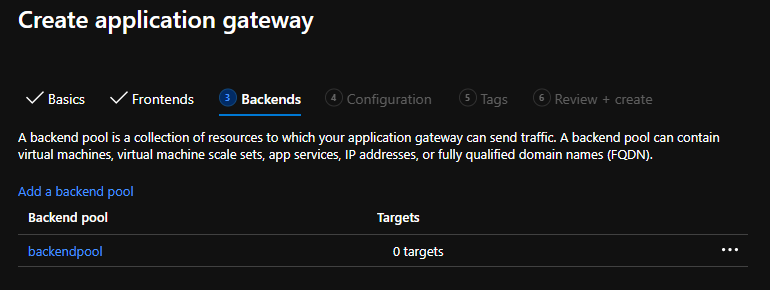
Create an empty backend pool (it will not be used, because of the integration as Ingress):
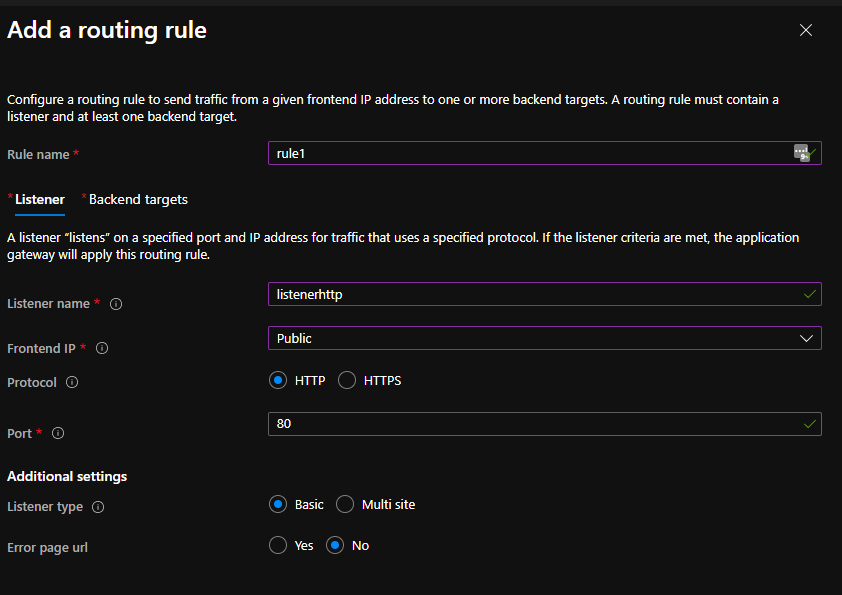
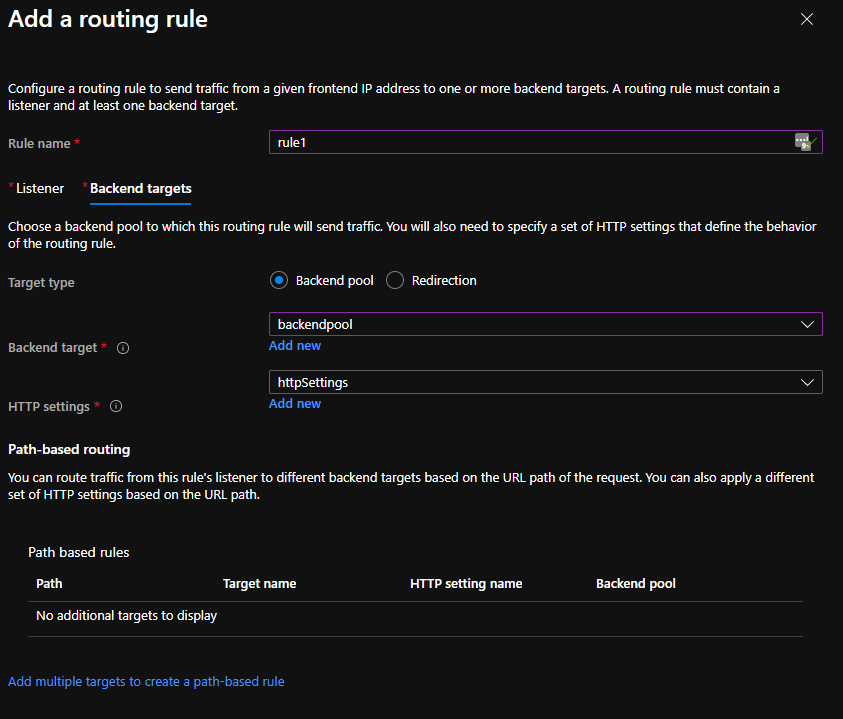
Create a routing rule1, with HTTP protocol (it will not be used, because of the integration as Ingress):
And the backend target (it will not be used, because of the integration as Ingress):
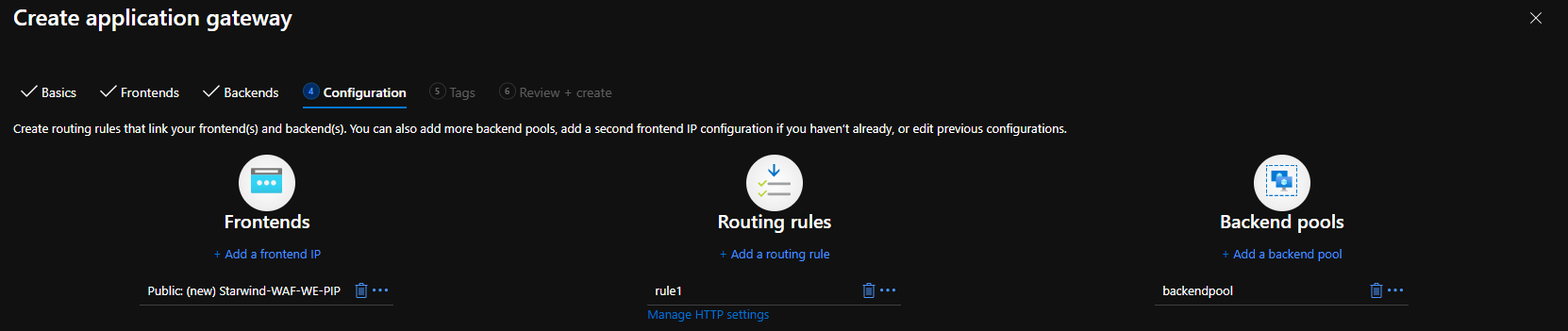
You will have this:
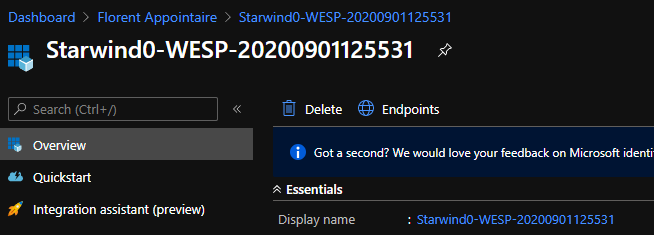
When the App Gateway has been deployed, go to your Azure AD, and get the name of your Service Principal:
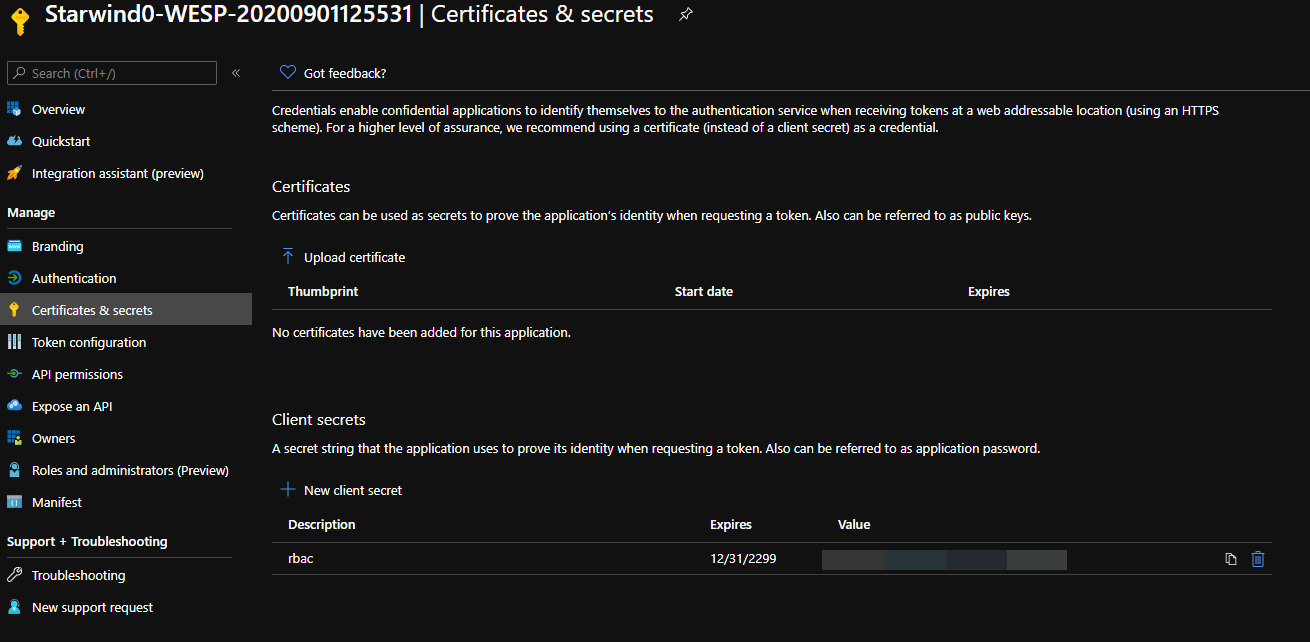
Get the application ID, and create a new secret:
Give to this Azure AD Service Principal, the Contributor right on the AKS Resource Group:
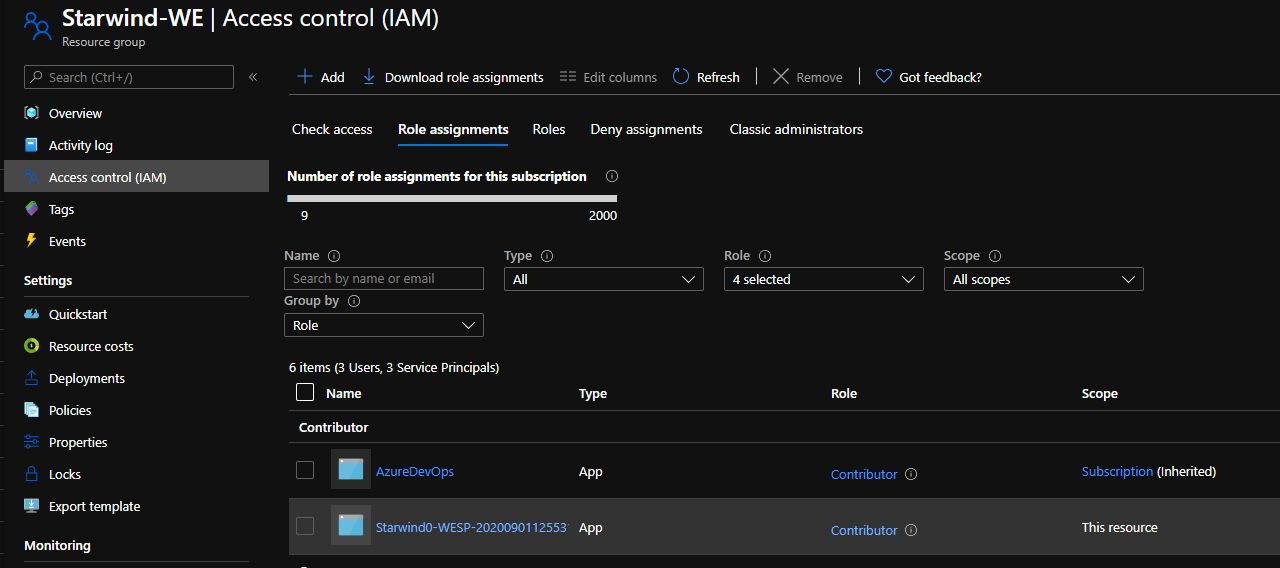
Now, connect to your AKS Cluster:
az login az account set --subscription subscriptionId az aks get-credentials --name Starwind-WE --resource-group Starwind-WE |
Execute the following command, to apply the deployment template rbac:
kubectl apply -f https://raw.githubusercontent.com/Azure/aad-pod-identity/master/deploy/infra/deployment-rbac.yaml |
Convert your Azure AD Service principal secret to base 64:
echo "SecretofSP" | base64 |
Now, create 2 files, with the following content:
01-aadpodidentity-sp.yaml
apiVersion: v1

kind: Secret

metadata:

  name: aad1-sp

type: Opaque

data:

  ClientSecret: TheBase64ChainofTheServicePrincipal

---

apiVersion: "aadpodidentity.k8s.io/v1"

kind: AzureIdentity

metadata:

  name: aad1

spec:

  type: 1

  TenantID: YourTenantID

  ClientID: TheApplicationIDofTheServicePrincipal

  ClientPassword: {"Name":"aad1-sp","Namespace":"default"}
|
02-aadpodidentitybinding.yaml
apiVersion: "aadpodidentity.k8s.io/v1" kind: AzureIdentityBinding metadata: name: azure-id-binding spec: AzureIdentity: "aad1" Selector: "floapp" |
And apply them:
kubectl apply -f 01-aadpodidentity-sp.yaml kubectl apply -f 02-aadpodidentitybinding.yaml kubectl get pods -A |

Pods are now running:


Now, we will convert the following connection string, to base64:
{

"clientId": "The Service Principal ID",

"clientSecret": "Client Secret of the Service Principal (not encoded in base64)",

"subscriptionId": "SubscriptionID Where the AKS Cluster is hosted",

"tenantId": " YourTenantID ",

"activeDirectoryEndpointUrl": "https://login.microsoftonline.com",

"resourceManagerEndpointUrl": "https://management.azure.com/",

"activeDirectoryGraphResourceId": "https://graph.windows.net/",

"sqlManagementEndpointUrl": "https://management.core.windows.net:8443/",

"galleryEndpointUrl": "https://gallery.azure.com/",

"managementEndpointUrl": "https://management.core.windows.net/"

}
|
Copy this code with your values and go to https://www.base64encode.org/. Paste it and click to Encode. And get the result:
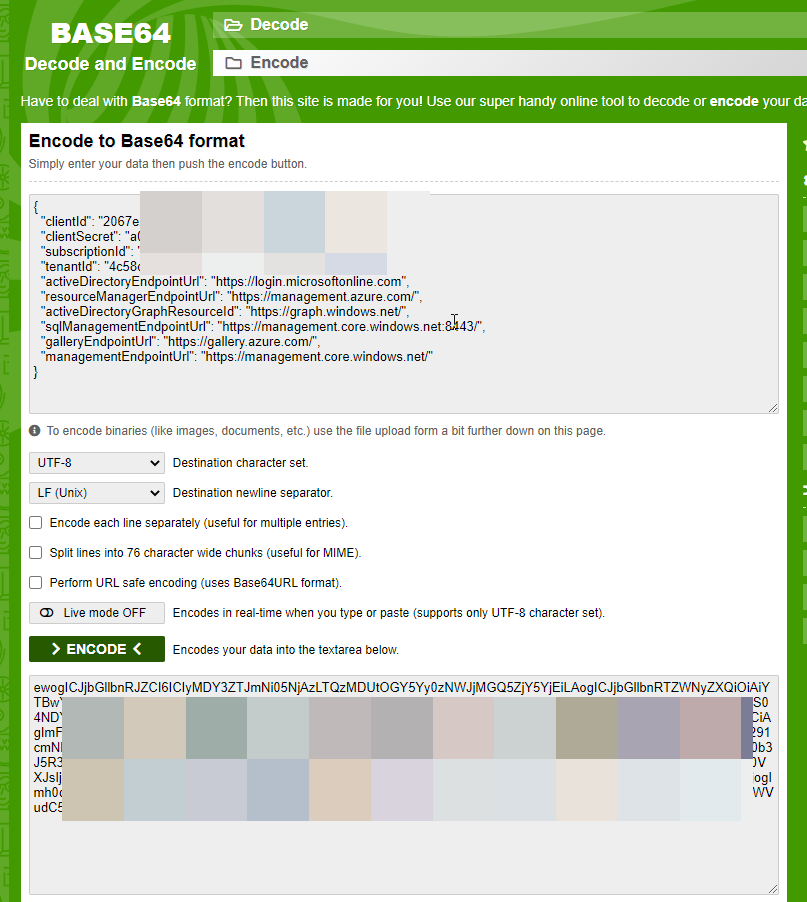
Create a new file, 04-helm-config.yaml, and paste the code, by replacing values, with your own:
verbosityLevel: 3 appgw: subscriptionId: YourSubscriptionID resourceGroup: AKS name: FLOAPP-WAF01 usePrivateIP: false shared: false armAuth: type: servicePrincipal secretJSON: The Base64 encoded connection string create before rbac: enabled: true |
It’s time to apply this configuration, with helm:
helm repo add application-gateway-kubernetes-ingress https://appgwingress.blob.core.windows.net/ingress-azure-helm-package/ helm repo update helm install -f 04-helm-config.yaml application-gateway-kubernetes-ingress/ingress-azure --generate-name |
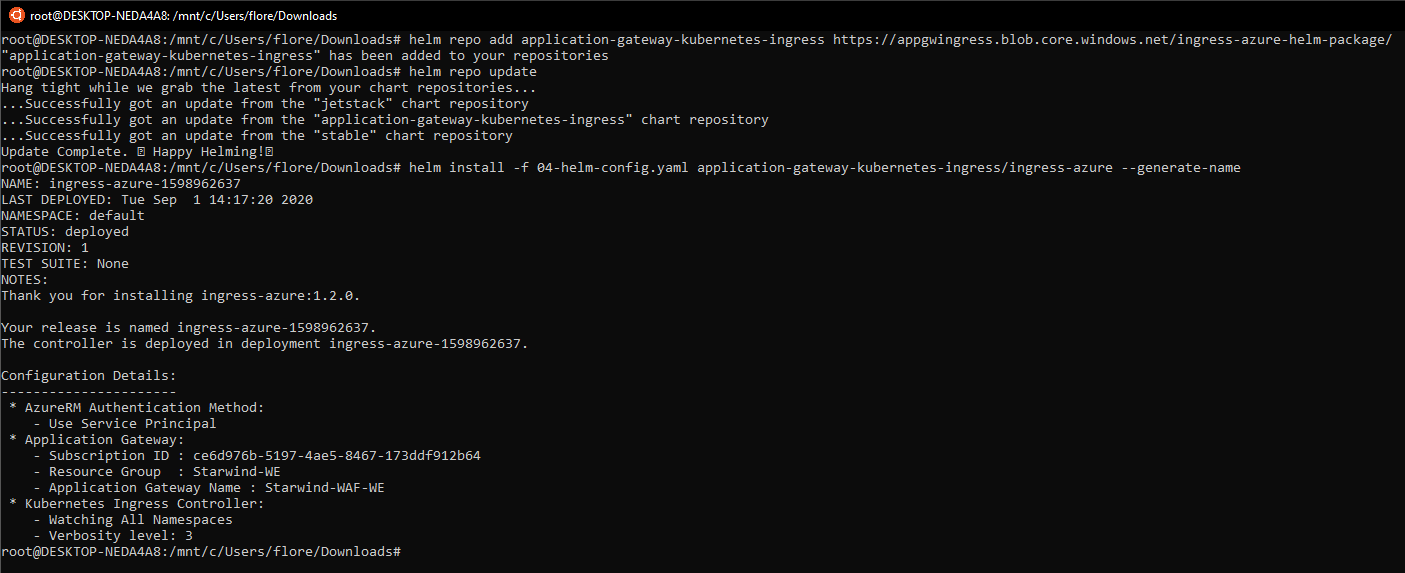
The ingress pod has been deployed:
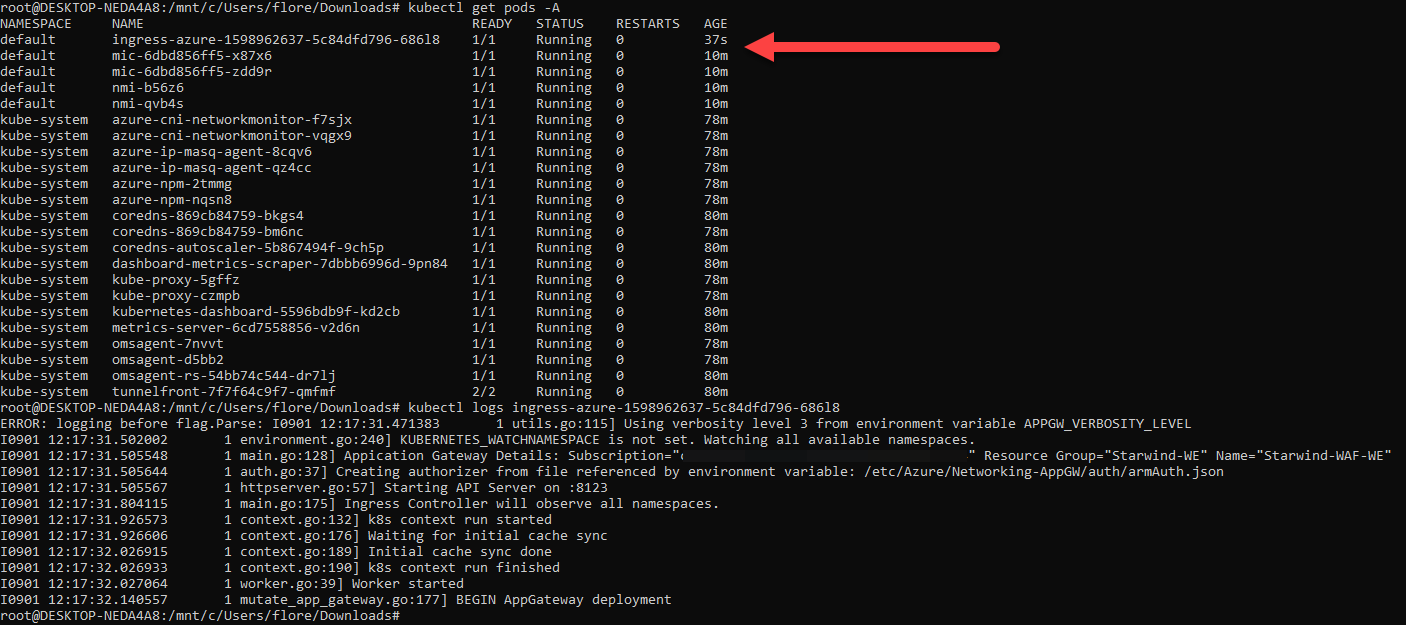
We will deploy a test application:
apiVersion: apps/v1 kind: Deployment metadata: name: nginx-deployment spec: selector: matchLabels: app: nginx replicas: 1 template: metadata: labels: app: nginx spec: containers: - name: nginx image: nginx:1.16.1 ports: - containerPort: 80 --- apiVersion: v1 kind: Service metadata: name: nginx spec: ports: - name: nginx port: 80 protocol: TCP targetPort: 80 type: ClusterIP selector: app: nginx --- apiVersion: extensions/v1beta1 kind: Ingress metadata: name: nginx labels: app: nginx annotations: kubernetes.io/ingress.class: azure/application-gateway spec: rules: - host: starwind.falaconsulting.be http: paths: - backend: serviceName: nginx servicePort: 80 |
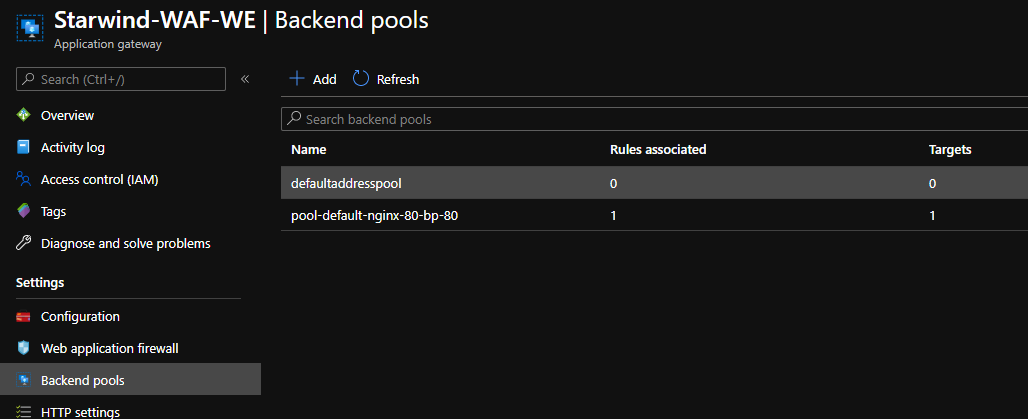
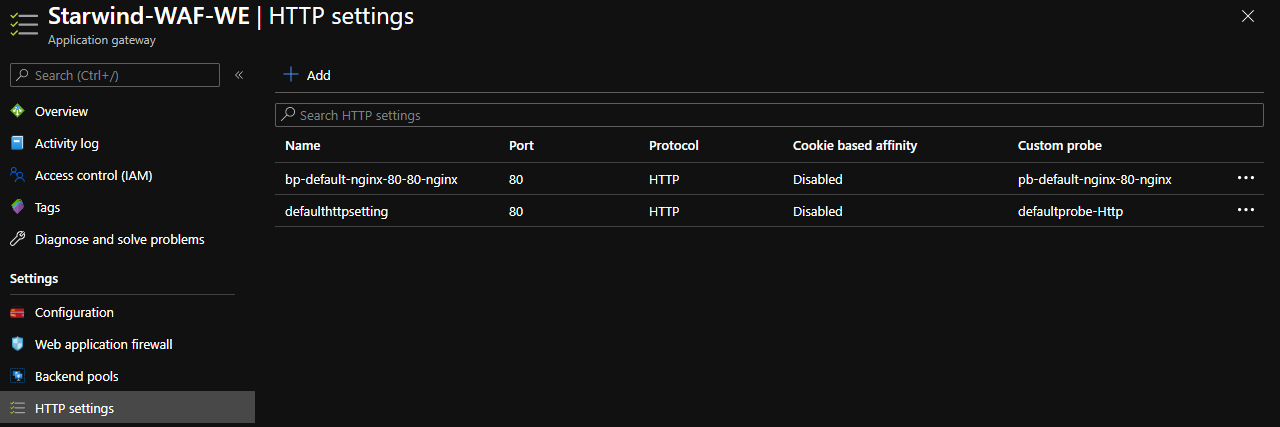
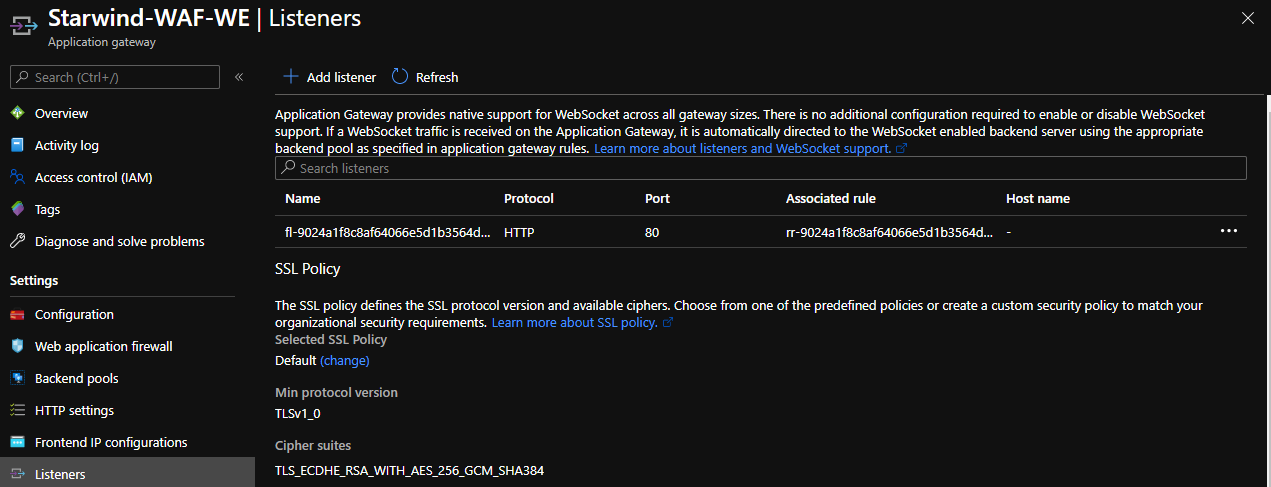
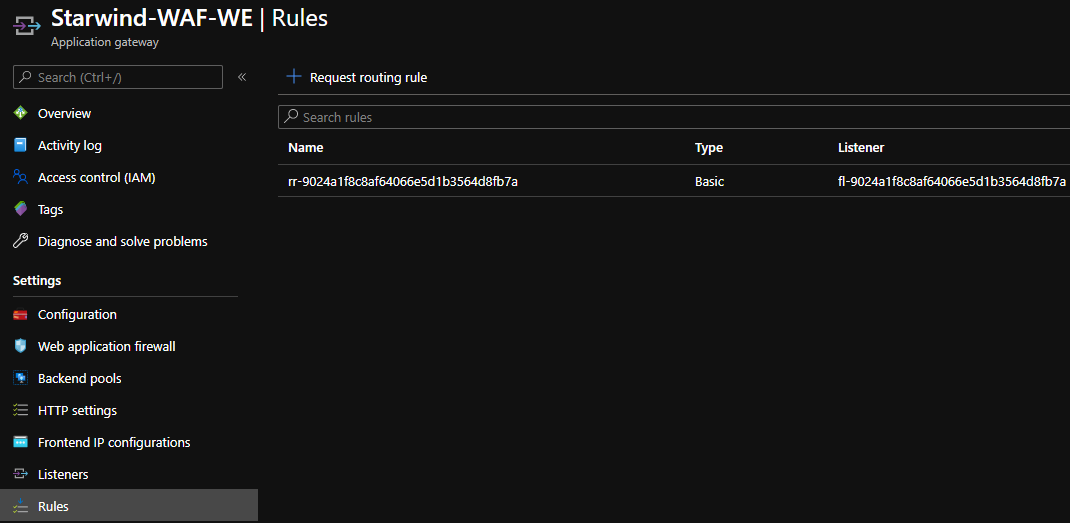
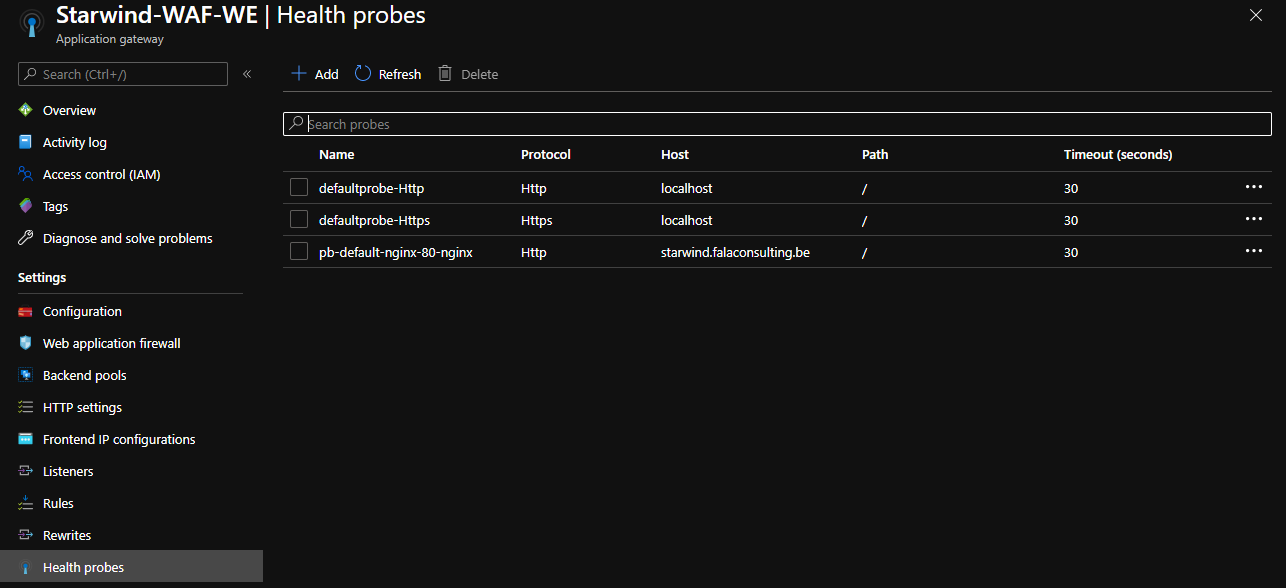
I created a DNS entry, starwind, that points to the public IP of my Application gateway. After few seconds, the deployment is finished on the Application Gateway:
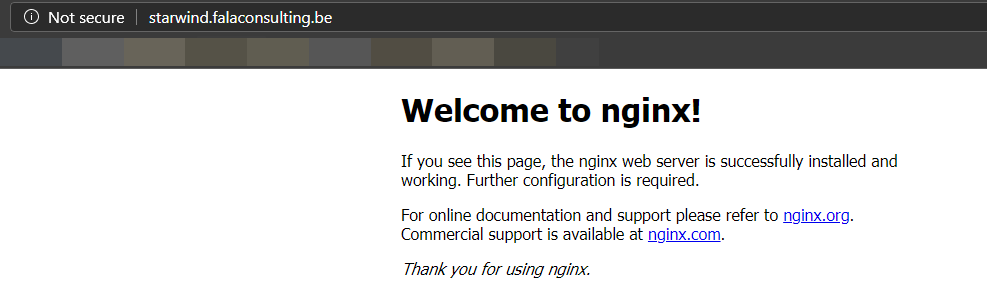
If you try to access your website, you should be able to see it:
In the next article, we will protect this website, with a Let’s Encrypt certificate, directly generated by AKS.